Party Rings and Safety Rails: How to Book a Gymnastics Birthday Without the Headache

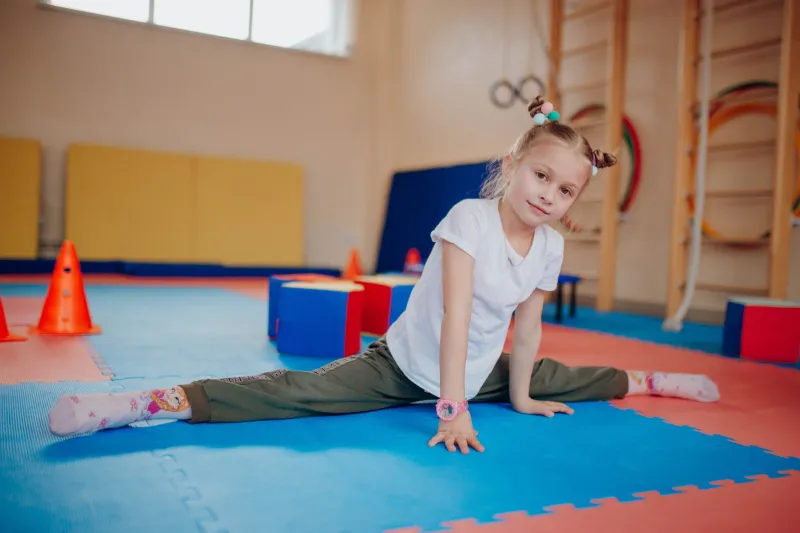
Photo: children gymnastics birthday party soft play UK, via static1.bigstockphoto.com
A gymnastics birthday party sounds like a straightforward win: children burn off energy, the venue handles the mess, and you get to hand out cake without refereeing a bouncy-castle dispute. In practice, it is a booking decision with a surprising number of moving parts. You need to know who is coaching, what the children will actually do, whether the hall is insured for a party, and how a child who has never stepped on a mat will feel when the group starts cartwheeling.
This is not about making the party feel like a risk assessment. It is about asking the right questions early so the fun bit stays fun.
Start with the guest list, not the venue
Before you fall down a rabbit hole of party packages, work out the shape of the group. How many children? What age range? Are there siblings, cousins or school friends who are used to gym settings, or is this a mixed bag of complete beginners? A club-hosted party can work beautifully for 12 confident eight-year-olds. It can feel very different with 20 six-year-olds, three of whom are nervous about noise and one who has never been in a sports hall before.
Age and numbers affect everything else: the ratio of coaches to children, how much equipment can be used safely, and whether the party should be a free-flow session or a structured circuit. Write down the likely headcount before you enquire, then add one or two for the children who always appear at the last minute.
Two routes: club-hosted or DIY
A club-hosted party usually means you book a slot at a gymnastics club, use their equipment and have their coaches run the session. You get expertise, mats, bars, beams and a ready-made structure. You also get a fixed time slot, a deposit to pay and less control over the playlist and party bag timing.
A DIY party means hiring a hall or community space and bringing in a coach or running games yourself. It can be cheaper, and it can suit families who want a more relaxed drop-in style. But you take on more of the risk: checking the hall's insurance, making sure any equipment is suitable, and confirming that whoever leads the session has the right safeguarding checks and experience.
Neither route is automatically better. Club-hosted is usually the lower-stress option for a first gymnastics party. DIY can work well for a smaller group or a family with a trusted coach already in their circle.
What to ask before you pay a deposit
Ask for the party details in writing. The answers matter more than the glossy flyer.
- Who will be coaching, and what are their qualifications and DBS checks?
- What is the coach-to-child ratio for the age group?
- Will the children use bars, beams and trampolines, or is it floor and soft play only?
- How is the session structured, and is there a warm-up?
- What happens if a child arrives late or does not want to join in?
- Are parents allowed to stay, and where do they sit?
- Is the party covered by the club's insurance, and what does that cover?
- What is the cancellation and deposit policy?
If the answers are vague, that is your first red flag. A reputable club should be able to explain its setup clearly without making you feel like you are being difficult.
Ratios, equipment and safeguarding
Ratios vary by age and activity, so there is no single magic number. For younger children, you want enough adults to supervise toilet trips, reassure nervous guests and keep the group moving. For older children on apparatus, the coaching ratio needs to reflect the equipment being used. Ask directly: how many coaches will be on the floor, and will there be a separate helper for the party room?
Equipment should be appropriate for the age group and set up for party use, not just left out from a training session. Soft mats, a clear landing zone and a rule that children wait for a coach before trying apparatus are all good signs. So is a proper warm-up. A party that launches straight into backflips without a warm-up is not a badge of honour.
Safeguarding is not a dirty word. Ask whether the club has a welfare officer, how it handles accidents and whether coaches are first-aid trained. If the party is at a leisure centre or hired hall, check who is responsible for supervision and insurance during the session. A coach hired independently should be able to show their own insurance and safeguarding arrangements.
Keeping it inclusive for new starters
Not every guest will be a gymnast. Some will be nervous, some will be wearing the wrong clothes, and some will need a quieter corner. Tell the coach in advance about any children with additional needs, sensory sensitivities or mobility considerations. Ask whether there is a calm space if the noise gets too much.
A good party host will offer options rather than a single test of skill. A circuit with a few stations, a dice game, a balance challenge and a free-play finish tends to work better than a mini competition. Avoid language that ranks children or turns the session into a talent show. The goal is participation, not podium places.
A realistic planning timeline
Six to eight weeks before: decide on club-hosted or DIY, set a budget and shortlist venues. Check dates with the birthday child and a couple of key guests.
Four to six weeks before: enquire about availability, ask the safety questions and read the terms. Pay the deposit only once you have written answers.
Two to three weeks before: send invitations with clothing advice: comfortable sportswear, bare feet or suitable gym shoes, no jewellery, long hair tied back. Ask parents to flag allergies or additional needs.
One week before: confirm final numbers, arrival time and whether you need to bring cake, plates and party bags. Check parking and drop-off arrangements.
On the day: arrive early, introduce yourself to the coach, keep the cake in a cool place and remember that the best parties leave a little room for chaos.
Budget bands for 2026
Costs vary hugely by region, but as a rough guide, a small DIY hall party with a hired coach might sit around £150 to £350. A club-hosted party for a dozen children commonly lands in the £180 to £400 range. Premium packages with extra equipment, longer sessions or catering can push past £400 and into the £600-plus bracket.
Always ask what is included: coaches, equipment, party room, invitations, food, party bags and cleaning. A cheap headline price can grow quickly once extras are added.
Red flags to watch for
Be wary if a venue cannot explain its insurance, if coaches are swapped at the last minute without explanation, or if the ratio feels thin for the age group. Watch out for parties that promise advanced apparatus for very young children, discourage parents from asking questions, or have no clear accident procedure. And if the hall looks cluttered, the mats are worn through, or the session plan is just 'they'll run around', trust your instincts.
A gymnastics party should feel like a treat, not a test of your organisational stamina. Ask the boring questions, get the answers in writing, and then let the children get on with the important business of cake, chalk and controlled chaos.