Beyond the Standing Order: Making Sense of Gymnastics Costs for UK Families

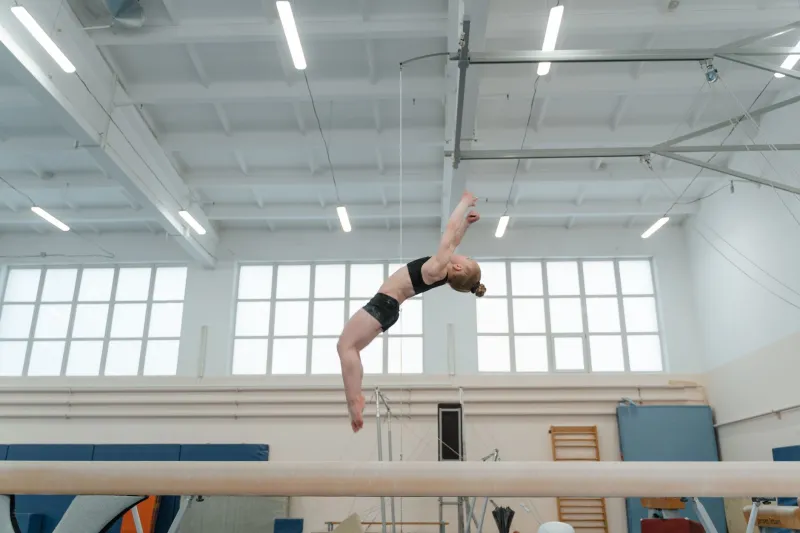
Photo: M J Richardson , CC BY-SA 2.0, via Wikimedia Commons
Gymnastics has a funny way of starting with one sensible question — how much are classes? — and ending with a spreadsheet. That is not because clubs are out to trick anyone. Gyms are expensive places to run: sprung floors, crash mats, qualified coaches, insurance, heating and enough chalk to dust a bakery. But the monthly fee is rarely the whole story, and parents deserve to see the shape of the year before they sign the form.
The monthly fee is a starting point, not a receipt
Most clubs quote a monthly price for a set number of sessions. Ask what that price actually covers. Does it include coach time, hall or gym hire, insurance and club administration? What happens in a month with a bank holiday, a half-term closure or a cancelled session? Are there sibling discounts, waiting-list fees or annual price reviews? None of these questions are rude. A club that has clear answers is usually a club that has thought about families as well as fixtures.
British Gymnastics membership: the annual extra
In the UK, clubs typically require a British Gymnastics membership for insurance and safeguarding reasons. It is usually paid annually, and it may be invoiced separately from class fees. The amount can vary depending on the level of membership and what the club arranges. Ask whether it is included in your monthly payment or billed on top, when it renews, and whether a competition-level membership is needed if your child wants to take part in events. This is not a hidden charge so much as a parallel one — but it should be explained at the start.
Competition entries, displays and event-day costs
A club display can be a lovely low-pressure introduction. A county competition is a bigger commitment. Entry fees are only one part of it. There may be coaching fees for the day, a leotard or club kit requirement, travel, parking, spectator tickets and the inevitable cafe stop. Ask which events are compulsory and which are optional. Ask whether the entry fee includes coach cover, what the refund policy is if an event is cancelled, and whether your child needs a new leotard for every competition. Some clubs have loan kit or second-hand sales; it is always worth asking.
Kit, badges and the small print
Gymnastics kit can be simple: a leotard, shorts and a jumper will see most beginners a long way. But clubs sometimes have specific requirements for training, displays or competitions. Add in grips, tape, chalk, hair bands, a club hoodie and badge schemes, and the small items start to add up. None of this is a reason to panic. It is a reason to ask for the full kit list before you buy anything, and to check whether the club runs a kit swap, a second-hand rail or a loan scheme.
The costs that never appear on an invoice
Travel is the quiet one. A weekly class ten minutes away is one thing; a regional squad session across two counties is another. Parking, fuel, train fares, weekends away and the occasional rushed meal all count. So does time. If a parent has to leave work early or arrange childcare for siblings, that is part of the family budget too. Clubs cannot always solve this, but they can be honest about the commitment expected at each level.
Fundraising: ask where the money goes
Many clubs run bag packs, raffles, sponsored events or kit sales. Fundraising is not automatically a red flag. It can keep fees down and pay for equipment that benefits everyone. The important questions are whether it is optional or expected, how much each family is likely to be asked for, and what the money is spent on. A short annual note from the club — new mats, coach training, competition subsidies — goes a long way.
Questions worth asking before you join
- Is the monthly fee all-inclusive, or are there separate annual charges?
- How much is British Gymnastics membership, and when is it due?
- Which competitions and displays are compulsory?
- What kit is required for training, and what is needed only for events?
- Are there sibling discounts, payment plans or a hardship fund?
- What is the refund policy for missed sessions or cancelled events?
- How often do fees go up, and how much notice do families get?
- Is fundraising optional, and what does it pay for?
Ways to keep the total manageable
Budget for the lumpy costs. Membership, competition entries and kit rarely arrive in a neat monthly package, so divide the annual total by twelve and put it aside if you can. Say yes to the events that matter to your child and no to the ones that are mainly pressure. Ask about second-hand kit, payment plans and any club bursary. Compare the full cost of gymnastics with other activities, not just the headline fee. And if the total is genuinely tight, tell the club. Good clubs would rather have a quiet conversation than lose a family who assumed they could not afford it.
The bottom line
Gymnastics costs money because it is a coached, insured, equipment-heavy sport. That is fair enough. What is not fair is a price list that only makes sense after three invoices and a WhatsApp rumour. Ask the boring questions early. A transparent club will not mind — and you will be able to decide whether the cartwheel is worth the cost, with your eyes open.