The Over-10s Aren’t Too Late: Building a Real Pathway for Late-Starting Gymnasts
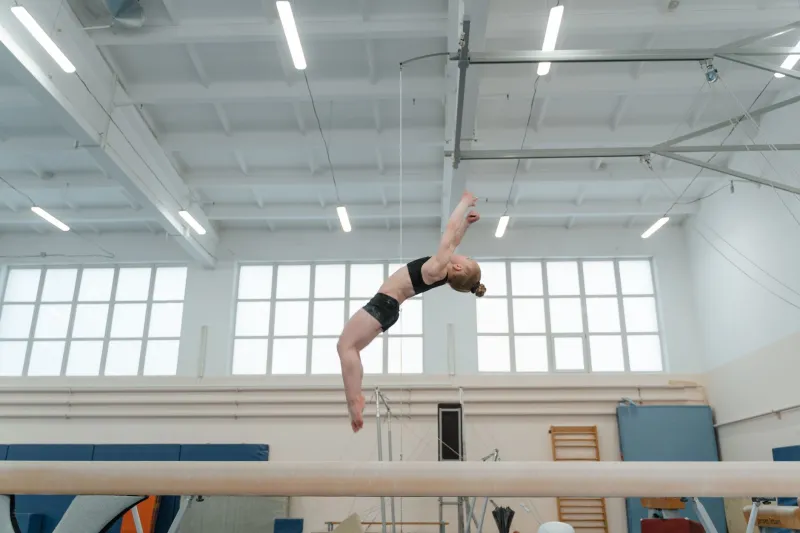
In many UK gymnastics clubs, the pathway is quietly built around the early years. Pre-school classes lead to recreational sessions, which lead to development squads, which lead — for a small number — to competitive gymnastics. By the time a child reaches ten or eleven, the doors to certain routes can feel firmly closed. Late starters are often pointed towards a general recreational class or told, politely, that they’ve missed the boat.
That’s a mistake. Not because every eleven-year-old should be aiming for elite competition, but because gymnastics has a great deal to offer children who find it later than the traditional starting age. Strength, coordination, balance, confidence, and the simple pleasure of learning to move well are not reserved for those who began at five. Clubs that treat late starters as a problem to manage are missing a genuine opportunity.
The traditional timeline and its blind spots
Gymnastics in the UK has a well-established competitive structure, and there’s a reason early starting is common. The sport rewards repetition, and elite pathways take years to build. But the vast majority of children in gymnastics are not on an elite pathway, and never will be. They are there for fun, fitness, friendship, and the challenge of learning something new.
When a ten-year-old walks into a club with enthusiasm, they are not asking to be fast-tracked to a national squad. They are asking for a fair chance to learn. The blind spot is assuming that late entry only matters if the child is chasing medals. In reality, late starters often bring maturity, focus, and a real desire to be there — qualities that can make them a joy to coach.
What late starters actually need
They don’t need a watered-down version of an elite programme, and they don’t need to be patronised. They need a clear pathway that respects their starting point. That might begin with a beginner recreational class, move into a progressive recreational group, and then — for those who want it — lead to an invitation-only development session. The labels matter less than the clarity.
Skills should be broken down carefully. Strength work should be built gradually, with attention to adolescent growth and individual differences. Coaches should explain the why behind each drill, because older children tend to engage well with rationale. And the social side should not be overlooked. A thirteen-year-old who finds a group of friends at gymnastics is far more likely to stay than one who feels like an afterthought.
Coaching confidence, not competition medals
Some coaches hesitate with late starters because they worry about safety, pacing, or comparison with early-trained gymnasts. Those worries are understandable, but they are not reasons to close the door. Professional development can help coaches feel confident working with older beginners. Progressions and regressions are already part of good coaching; the same principles apply.
The goal is not to fast-track a twelve-year-old to elite competition. The goal is to give them a route that respects their age, their body, and their ambition — whatever that ambition happens to be. For some, success is a confident handstand. For others, it’s a first routine in a club festival. Both are worth celebrating.
Building a recreational-to-progressive pathway
Clubs can make practical changes without rebuilding everything. Taster sessions for older children can sit alongside existing beginner classes. Age-banded recreational groups can feed into progressive sessions without demanding a competitive commitment. Coaches can be mentored to work with late starters, and parents can be given clear information about what progress looks like at different ages.
It also helps to review the language used in marketing and on the desk. Phrases like ‘too late’ or ‘not the right age’ linger in families’ minds. A simple welcome for older beginners can change who walks through the door. British Gymnastics offers guidance and resources that clubs can use, but the cultural shift has to happen locally.
The cultural shift
Gymnastics is not a sport that belongs only to the young. It is a sport of movement, and movement can be learned at any age. Late starters deserve the same quality of coaching, the same safety standards, and the same chance to feel proud of what their bodies can do. Celebrating strength, coordination, and self-belief is not a consolation prize; it is the heart of the sport.
In 2026, clubs are competing for families’ time and money. Late starters are not a niche group to be tolerated. They are a growing part of the market, and a reminder that gymnastics can be a lifelong friend. The over-10s aren’t too late. They’re just getting started.